Healthy Aging: Lifestyle Habits to Help You Feel Your Best at Every Age
Introduction
Aging is a journey, not a destination. While we can't stop the clock, we have incredible power over how we experience its passing. Healthy aging isn't about chasing eternal youth; it's about embracing each stage of life with vitality, clarity, and a sense of well-being. It's about feeling strong, sharp, and connected, allowing you to continue pursuing your passions and enjoying the richness of life. By focusing on a few key lifestyle pillars—staying active, nurturing your brain, fostering social connections, and eating well—you can build a foundation for a vibrant and fulfilling future at any age.
Stay Active, Stay Vibrant: The Power of Movement
One of the most powerful tools for healthy aging is regular physical activity. As we get older, our bodies naturally begin to lose muscle mass and bone density. Movement is the antidote. It helps maintain strong muscles for stability, keeps bones resilient, improves balance to prevent falls, and supports a healthy heart and circulatory system. The best part? It’s never too late to start reaping the benefits.
Finding Your Fitness Groove
The key to a sustainable fitness routine is finding activities you genuinely enjoy. Forget the "no pain, no gain" mentality and focus on joyful movement. Aim for a mix of activities throughout your week:
- Aerobic Exercise: These activities get your heart rate up and improve cardiovascular health. Think brisk walking in a local park, swimming laps at the community pool, or cycling on a scenic trail. Aim for at least 150 minutes of moderate-intensity aerobic activity per week.
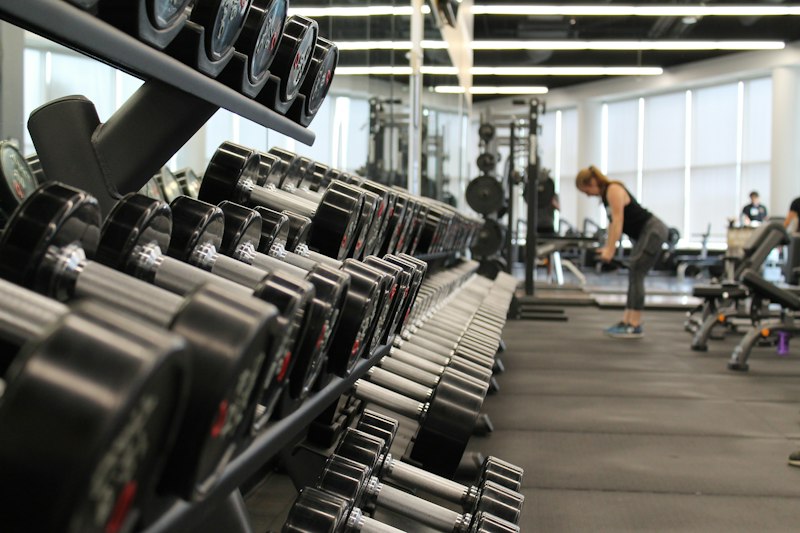
- Strength Training: Crucial for preserving muscle mass and bone health. You don't need to become a bodybuilder. Simple bodyweight exercises like squats and push-ups, using resistance bands, or lifting light weights are incredibly effective. Try to incorporate strength training at least two days a week.
- Flexibility and Balance: These are your secret weapons against stiffness and falls. Practices like yoga, Tai Chi, and daily stretching improve your range of motion and enhance stability, helping you move through your day with confidence and ease.
A Sharp Mind at Any Age: Nurturing Your Brain Health
Just as your body needs exercise, so does your brain. Keeping your mind engaged and challenged is fundamental to cognitive health, helping to preserve memory, focus, and problem-solving skills as you age. Think of it as mental cross-training, building new neural pathways and keeping your mind flexible and resilient.
Activities to Keep Your Brain Buzzing
Integrating brain-boosting activities into your daily life can be both fun and beneficial. The goal is to challenge your mind in new and interesting ways:
- Embrace Lifelong Learning: Have you always wanted to learn Spanish, play the guitar, or master the art of gardening? Now is the time! Taking a class, watching online tutorials, or reading books on a new subject stimulates your brain and fosters a sense of purpose.
- Play Brain Games: Puzzles, crosswords, Sudoku, and strategy games like chess are excellent ways to exercise your cognitive muscles. They challenge your logic, memory, and critical thinking skills.
- Read and Write: Get lost in a good book or start a journal. Reading exposes you to new vocabulary and ideas, while writing helps organize your thoughts and express your creativity.
The Heart of Wellness: The Importance of Social Connection
We are social creatures by nature. Meaningful connections with others are not just a source of joy; they are essential to our physical and mental health. Loneliness and social isolation can contribute to depression, cognitive decline, and an increased risk of health problems. Conversely, a strong social network provides emotional support, reduces stress, and instills a powerful sense of belonging.
Ways to Cultivate Your Social Circle
Nurturing your relationships is an active process. Be intentional about connecting with others:
- Volunteer in Your Community: Giving your time to a cause you care about is a wonderful way to meet like-minded people and make a difference.
- Join a Club or Group: Whether it's a book club, a hiking group, a choir, or a weekly card game, shared interests are a natural foundation for friendship.
- Schedule Connections: Don't leave it to chance. Make regular dates for phone calls, video chats, or in-person visits with family and friends.
Fueling Your Body Through the Decades: Nutrition for Healthy Aging
What you put on your plate plays a starring role in how you feel day-to-day and how your body ages over time. While the fundamentals of a healthy diet remain consistent, your specific nutritional needs evolve. Paying attention to these changes helps you maintain energy, strength, and resilience.
Key Nutrients and Eating Habits
Focus on creating a colorful, nutrient-dense plate filled with whole foods:
- Prioritize Protein: Protein is vital for maintaining muscle mass, which is crucial for strength and metabolism. Include sources like lean meats, poultry, fish, beans, lentils, and tofu in your meals.
- Build Strong Bones: Calcium and Vitamin D are a dynamic duo for bone health. Find calcium in dairy products, leafy greens, and fortified foods. Your body produces Vitamin D from sun exposure, but it's also found in fatty fish and fortified milk.
- Focus on Fiber: Fiber is essential for a healthy digestive system and can help manage weight and blood sugar levels. Load up on fruits, vegetables, whole grains, and legumes.
- Stay Hydrated: Dehydration can cause fatigue, dizziness, and confusion. Sip water throughout the day, and don't wait until you feel thirsty.
Unlocking Your Energy: Tips for Maintaining Vitality
Feeling energetic and full of life is a cornerstone of aging well. If you find your energy levels dipping, a few key habits can make a world of difference. Quality sleep is non-negotiable; it's when your body and brain repair and recharge. Creating a relaxing bedtime routine and aiming for 7-9 hours of sleep per night can dramatically improve your vitality. Furthermore, managing stress through techniques like mindfulness, deep breathing, or spending time in nature prevents your energy reserves from being drained by worry and tension.
Conclusion
Healthy aging is an empowering, proactive process. It's about the small, consistent choices you make every day. By weaving movement, mental engagement, social connection, and mindful nutrition into the fabric of your life, you are not just adding years to your life—you are adding life to your years. It is never too early or too late to invest in your future self. Start today, and embrace the journey of feeling your best at every age.
Disclaimer: The information provided in this article is for general informational purposes only and is not intended as a substitute for professional medical advice, diagnosis, or treatment. Always seek the advice of your physician or other qualified health provider with any questions you may have regarding a medical condition.
Disclaimer: This article is for general informational purposes only and does not constitute medical advice. Always consult with a qualified healthcare professional before making changes to your health routine.