The Ultimate Guide to Staying Hydrated: How Much Water Do You Really Need?
We hear it all the time: "Drink more water." But in our busy lives, it's easy to forget. Yet, proper hydration is one of the cornerstones of good health. Water is essential for nearly every function in your body, from regulating temperature to keeping your organs working correctly. So, how much water do you actually need to drink each day? Let's dive into the ultimate guide to staying hydrated.
How Much Water Do You Really Need?
The old "eight glasses a day" rule is a good starting point, but it's not a one-size-fits-all solution. The U.S. National Academies of Sciences, Engineering, and Medicine determined that an adequate daily fluid intake is about 15.5 cups (3.7 liters) for men and 11.5 cups (2.7 liters) for women. However, this includes all fluids from water, other beverages, and even food. About 20% of our daily fluid intake usually comes from food.
Several factors can influence your individual water needs:
- Activity Level: If you exercise or engage in any activity that makes you sweat, you need to drink extra water to compensate for the fluid loss.
- Environment: Hot or humid weather can make you sweat and requires additional fluid intake.
- Overall Health: Your body loses fluids when you have a fever, vomiting, or diarrhea. Certain medical conditions might also require you to monitor your fluid intake.
- Pregnancy and Breastfeeding: Women who are pregnant or breastfeeding need additional fluids to stay hydrated.
Are You Dehydrated? Signs to Watch For
Dehydration occurs when you use or lose more fluid than you take in, and your body doesn't have enough water and other fluids to carry out its normal functions. Even mild dehydration can drain your energy and make you tired. Here are some common signs of dehydration:
- Feeling thirsty
- Dark yellow and strong-smelling urine
- Urinating less often than usual
- Feeling dizzy or lightheaded
- Feeling tired
- Dry mouth, lips, and eyes
Practical Tips to Drink More Water
Knowing you need to drink more water is one thing; actually doing it is another. Here are some practical tips to help you stay hydrated:
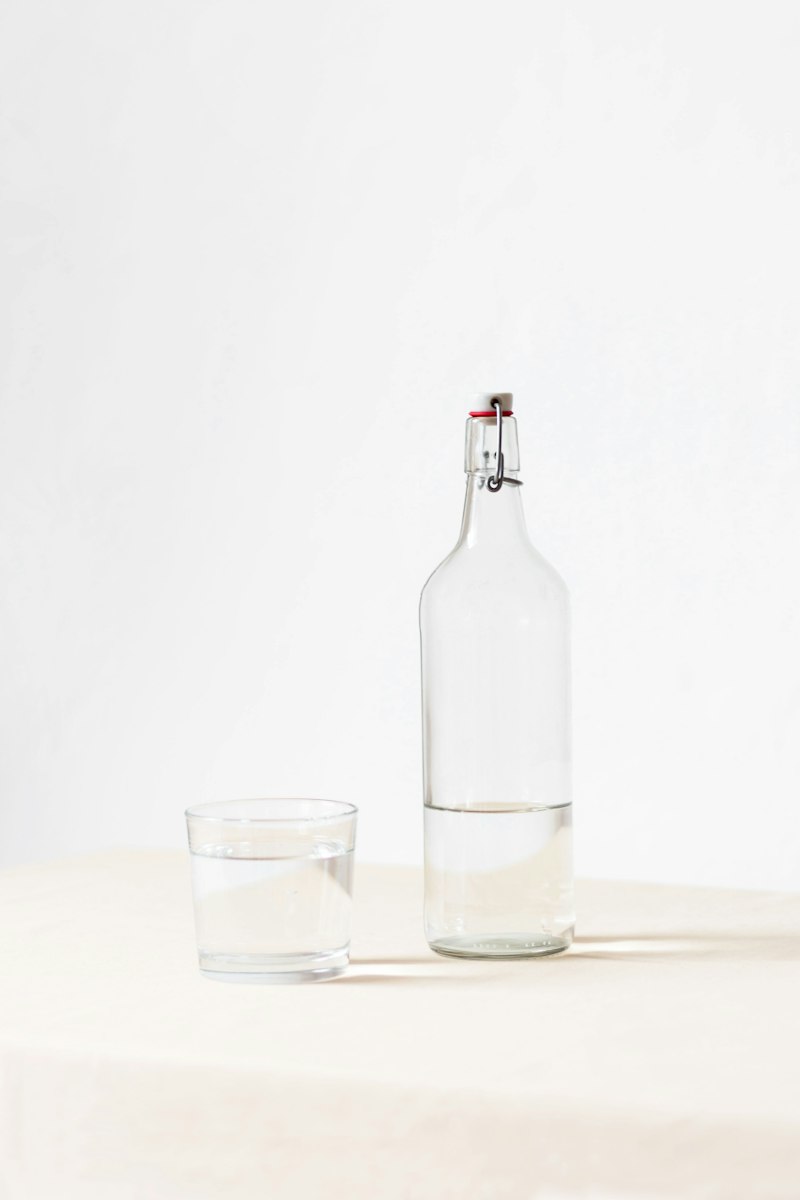
- Carry a reusable water bottle: Keep a water bottle with you throughout the day to remind you to drink.
- Set reminders: Use your phone or a smart watch to set reminders to drink water at regular intervals.
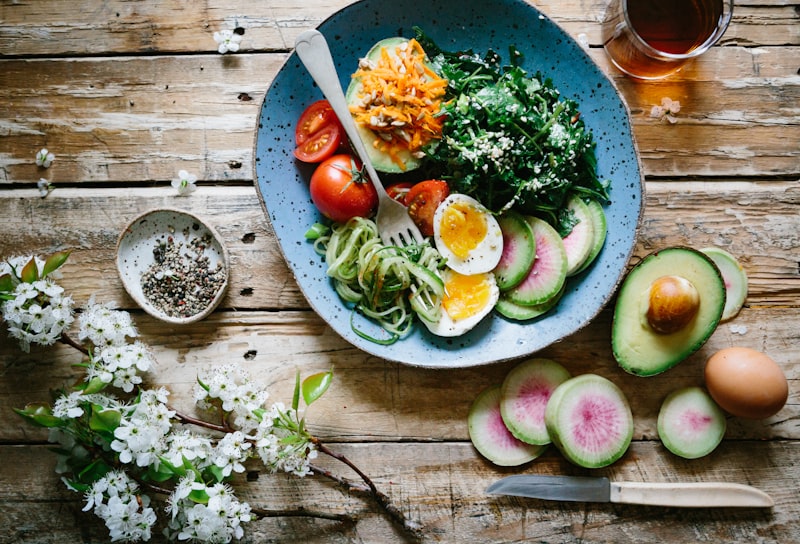
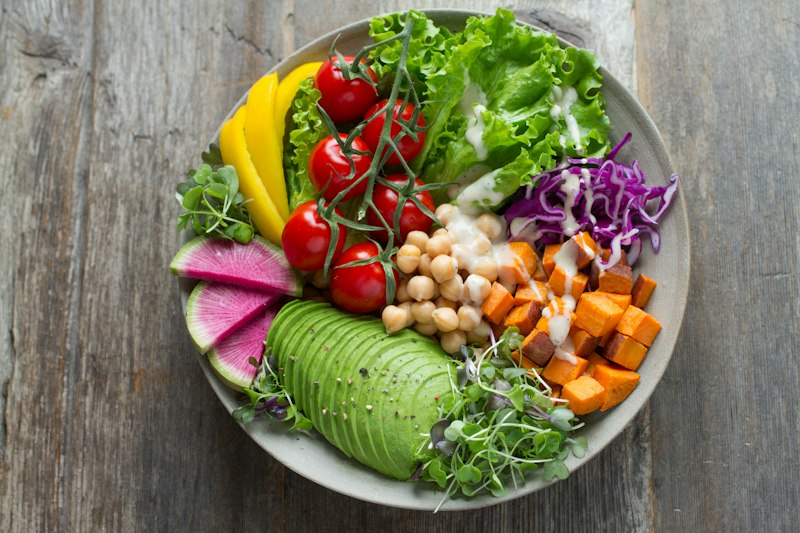
- Eat your water: Many fruits and vegetables have a high water content. Watermelon, strawberries, cantaloupe, celery, and cucumbers are all great options.
- Add flavor: If you find plain water boring, try adding a slice of lemon, lime, or cucumber to your glass.
Make It Fun: Infused Water Ideas
Infused water is a great way to add some flavor to your water without adding sugar or calories. Here are a few simple ideas to get you started:
- Citrus and Mint: Combine slices of lemon, lime, and orange with a few sprigs of fresh mint.
- Berry Blast: Mix a handful of fresh raspberries, blueberries, and sliced strawberries.
- Cucumber and Basil: Add thin slices of cucumber and a few fresh basil leaves for a refreshing twist.
Hydration Myths Debunked
There's a lot of misinformation out there about hydration. Let's debunk a few common myths:
- Myth 1: You need to drink eight glasses of water a day. As we've discussed, your individual water needs can vary.
- Myth 2: Coffee and tea don't count towards your fluid intake. While caffeine can have a mild diuretic effect, the water in coffee and tea still contributes to your overall fluid intake.
- Myth 3: You should only drink water when you feel thirsty. Thirst is a sign that your body is already dehydrated. It's best to drink water throughout the day to prevent dehydration.
Conclusion
Staying hydrated is a simple yet powerful way to improve your health and well-being. By understanding your individual needs, recognizing the signs of dehydration, and finding ways to make drinking water more enjoyable, you can make hydration a seamless part of your daily routine. So, grab your water bottle and start sipping your way to better health!
Disclaimer: This article is for informational purposes only and does not constitute medical advice. Please consult with a healthcare professional for any health concerns or before making any changes to your diet or lifestyle.
Disclaimer: This article is for general informational purposes only and does not constitute medical advice. Always consult with a qualified healthcare professional before making changes to your health routine.